
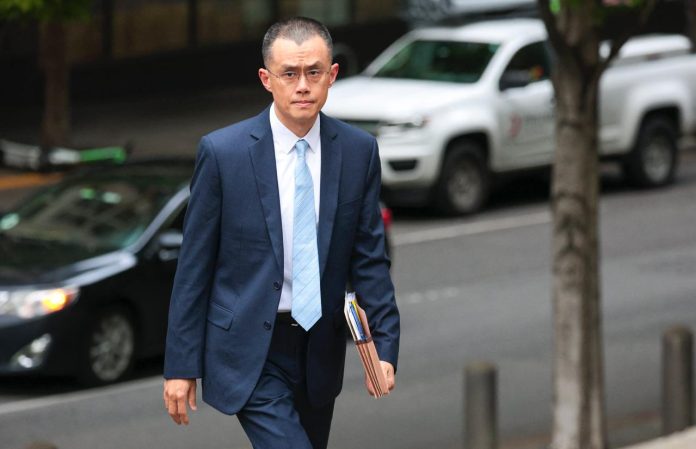

Binance founder Changpeng “CZ” Zhao has publicly responded to Senator Elizabeth Warren, rejecting her claim that he was convicted of money laundering before receiving a presidential pardon from Donald Trump earlier this week.
In a post shared on X , Zhao wrote:
“A US Senator can’t get her facts right, in a public post about a person’s charge. There were NO money-laundering charges.”
Zhao went on to accuse Warren and the previous administration of politicizing the U.S. Department of Justice’s actions against crypto companies, writing that she “declared war on crypto” five days before his 2024 sentencing under the Biden administration.
Background: Trump’s Crypto Pardon Sparks Political Clash
The exchange follows President Donald Trump’s decision to pardon Zhao, who served a four-month prison sentence in 2024 after pleading guilty to a single charge of failing to maintain an effective anti–money laundering program at Binance. The company itself paid $4.3 billion in penalties as part of a wider settlement with U.S. regulators.
A US Senator can't get her facts right, in a public post about a person's charge. There were NO money laundering changes.
The same Senator declared "war on crypto", on public TV, 5 days before my sentencing, during the Biden Admin.
Need a better example of weaponization of… https://t.co/87gTMP6mcn pic.twitter.com/4j1Us48Nop
— CZ 🔶 BNB (@cz_binance) October 24, 2025
Sen. Warren had earlier criticized the pardon, posting that CZ “pleaded guilty to a criminal money-laundering charge” and “then financed Trump’s stablecoin and lobbied for a pardon.”
However, legal experts and industry figures pushed back on her statement. Teresa Goody Guillén, a former SEC attorney, clarified on X:
“CZ was rightfully pardoned by POTUS for a single compliance-related charge. NO fraud, NO victims, NO criminal history. NO money laundering.”
Crypto Industry Defends CZ Amid Broader Political Divide
The incident has deepened tensions between Washington’s two emerging crypto factions, those aligned with the Trump administration’s pro-innovation stance, and lawmakers such as Warren who continue to push for stricter digital asset oversight.
Zhao’s response has resonated widely across crypto circles, where many view the pardon as symbolic of a policy shift toward friendlier regulation and market integration. His post quickly gained traction, with thousands of reposts under the hashtag #NoMoneyLaunderingCharges.
As the political debate intensifies, the episode highlights how crypto regulation has become a defining issue in U.S. financial policy, and a new flashpoint in partisan politics.