
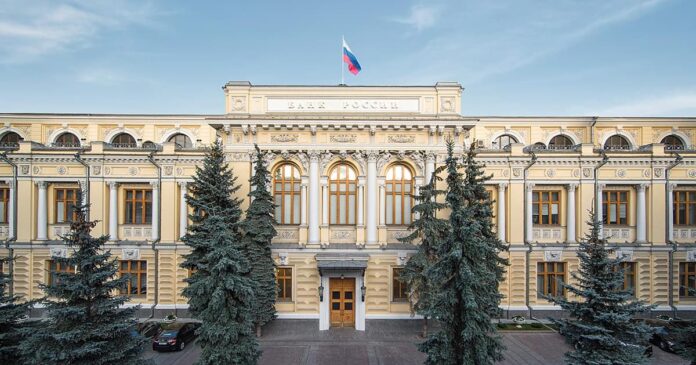

Ministry of Finance of the Russian Federation and the Bank of Russia have agreed to legalize the use of cryptocurrencies in foreign-trade settlements, signaling a major shift in Moscow’s approach to digital assets.
Finance Minister Anton Siluanov announced the decision following an economic-strategy meeting on October 21, stating: “We believe that this sector should be legalized, and its activities regulated by legislation.” He emphasised that while the move opens crypto payments for international trade, regulatory oversight will be stepped up.
According to Russian outlet Izvestia, Finance Minister Anton Siluanov announced on October 21 that the Ministry of Finance and the Central Bank have agreed to legalize the use of cryptocurrencies in foreign trade and introduce relevant legislation. He added that regulators will…
— Wu Blockchain (@WuBlockchain) October 22, 2025
Strategic Drivers & Implications
Russia’s new stance appears driven by its broader strategy to reduce reliance on Western-dominated payment systems, particularly under the strain of sanctions. Crypto settlements offer a potential alternative for trade with partners wary of traditional banking channels.
Officials noted that digital assets can serve not only as a medium of payment but also as a tool for moving funds abroad efficiently. The legislative rollout will involve the Federal Financial Monitoring Service of Russia (Rosfinmonitoring) and other agencies to ensure transparency and compliance.
What to Watch
As Moscow moves toward enactment, companies engaged in cross-border trade, especially those dealing with countries facing Western-led sanctions, could begin to use cryptocurrencies more openly.
The exact legal framework is still being drafted, and firms will want to track:
- Which digital assets will qualify for trade settlements
- How the regulatory oversight will operate (e.g., reporting, audits)
- Whether this move spurs other jurisdictions to formally recognise crypto in commercial trade
If implemented fully, Russia’s pivot could reshape global trade flows and raise questions about the evolving role of cryptocurrencies in sanctioned economies and beyond.