



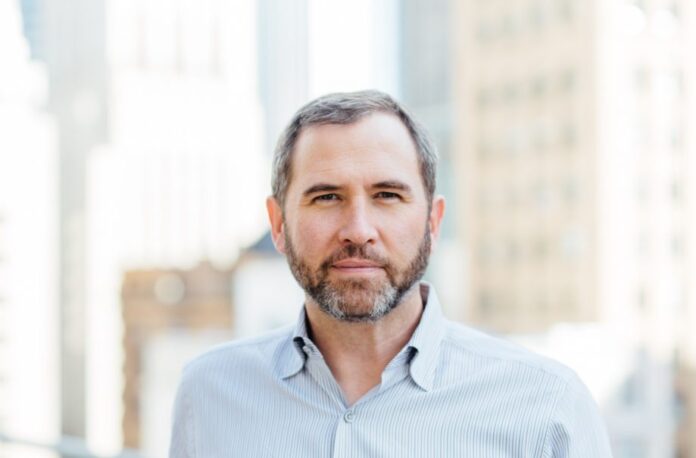

Speaking at DC Fintech Week, Brad Garlinghouse moved to end one of crypto’s longest-running myths, that Ripple and XRP are interchangeable. The Ripple CEO described Ripple as a fintech company building global payment infrastructure, while XRP, he clarified, is a decentralized digital asset powered by an open, community-driven blockchain that operates independently of Ripple.
A Separation Many Still Miss
According to Garlinghouse, confusion between Ripple and XRP has persisted for years, a misconception that even shaped the company’s historic legal clash with the U.S. Securities and Exchange Commission. “Ripple uses XRP, but we don’t control it,” he said, stressing that the XRP Ledger is open-source and maintained by hundreds of independent validators worldwide, not by Ripple itself.
This distinction, he argued, was crucial during the SEC case, which ultimately demonstrated that the XRP ecosystem exists beyond any single corporation’s influence.
“XRP Doesn’t Have a CEO”
Garlinghouse directly addressed what he called “internet folklore.”
“There’s a CEO of Ripple, that’s me,” he said. “But there’s no CEO of XRP.”
He compared XRP’s decentralized model to Bitcoin and Ethereum, where control is distributed among developers, validators, and users rather than centralized in a single entity. The XRP Ledger’s governance, he added, depends on community consensus, and Ripple’s opinions can, and sometimes have been, overruled by that same community.
Decentralization in Action
By emphasizing community governance, Garlinghouse highlighted a principle he believes defines XRP’s long-term credibility. Protocol changes or network upgrades can’t be dictated by Ripple, they require broad, decentralized agreement. That, he said, is the hallmark of a truly open blockchain system.
The Bigger Picture
Garlinghouse concluded that much of the misunderstanding stems from a lack of education about decentralization. He urged both regulators and the public to better grasp how companies can support, but not own, blockchain ecosystems.
“Ripple builds technology around XRP,” he said, “but the asset belongs to everyone who uses it.”
The message was clear: XRP isn’t a corporate product, it’s a public network shaped by its global community, not by the company that helped bring it into the spotlight.



