

Do Kwon, the embattled co-founder of Terraform Labs, has officially pleaded guilty to two U.S. criminal charges in connection with the catastrophic collapse of TerraUSD and Luna, a disaster that wiped out an estimated $40 billion in investor value and sent shockwaves through the cryptocurrency industry.
The plea, confirmed during a Manhattan court hearing by U.S. District Judge Paul Engelmayer, covers conspiracy to defraud and wire fraud. Under the agreement, Kwon cannot appeal any sentence of 25 years or less.
AUSA Ravener: So the defendant could not appeal any sentence of 25 years or less. The agreement notes that if the defendant accepts responsibility and commits no new crime, the government will advocate for a term not to exceed 12 years
— Inner City Press (@innercitypress) August 12, 2025
However, prosecutors stated that if he shows genuine remorse and refrains from committing new offenses, they will advocate for a term of no more than 12 years.
I am, your honor,
Kwon affirmed when asked if he accepted the indictment’s factual claims without challenge. This guilty plea spares him from a lengthy trial, which had been scheduled for January 2026. A sentencing date has not yet been set, but the charges could still carry a significant prison term.
Kwon, 33, had previously denied all allegations in a nine-count indictment that included securities fraud, commodities fraud, and money laundering conspiracy. The charges stem from the 2022 collapse of TerraUSD, an algorithmic stablecoin that was marketed as being pegged to the U.S. dollar through an automated protocol.
Prosecutors allege that in 2021, Kwon misled investors by concealing the fact that the coin’s stability was being artificially maintained through a secret deal with a high-frequency trading firm.
This manipulation fueled investor confidence, propelling Luna’s market capitalization to $50 billion by April 2022. But in May of that year, TerraUSD lost its peg, triggering a rapid downward spiral. Luna (now LUNC) crashed to near zero, and the broader crypto market suffered a contagion effect, contributing to a wave of bankruptcies and intensified global regulatory scrutiny.
The collapse also led to a major civil settlement. In 2024, Kwon agreed to pay the U.S. Securities and Exchange Commission $4.55 billion, including an $80 million civil fine, and accepted a ban on engaging in cryptocurrency transactions.
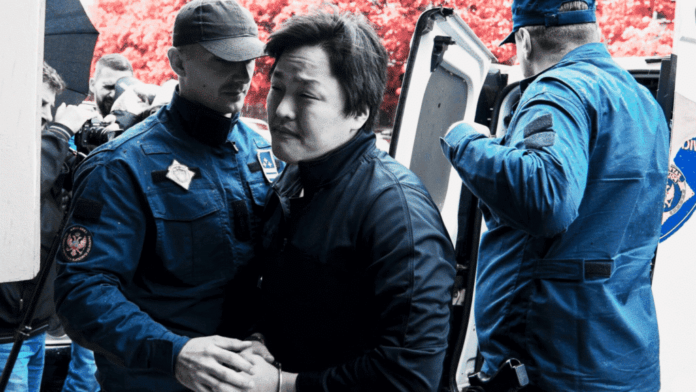
Kwon’s legal troubles have spanned multiple jurisdictions. He was extradited from Montenegro earlier this year after serving time for document forgery, having been caught traveling with falsified papers.
For the once-celebrated blockchain entrepreneur, this guilty plea marks a dramatic fall from grace. TerraUSD and Luna were once touted as groundbreaking projects in decentralized finance, and Kwon himself was hailed as an industry visionary. Now, his admission of guilt closes one of the largest fraud cases in crypto history.
Bloomberg analyst James Seyffart noted that the move ensures there will be no trial for the Terra/Luna case, signaling an end to years of speculation and legal maneuvering. However, for investors who lost billions, the damage remains irreversible, a sobering reminder of the risks that still lurk in the volatile world of cryptocurrency.