



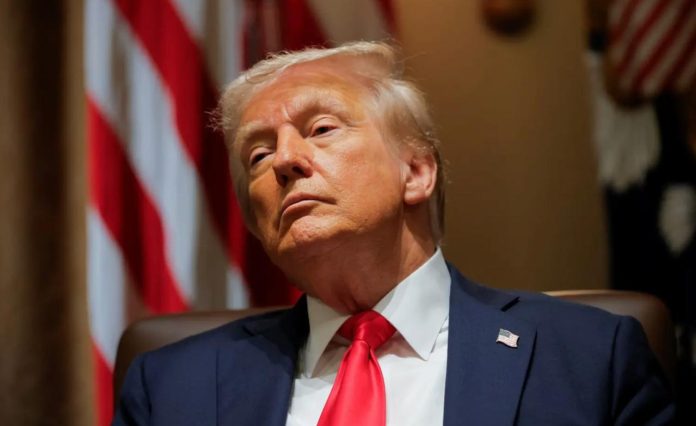

New financial disclosures reveal that President Trump has accumulated more than $82 million in corporate and municipal bonds, signaling a decisive macro bet on major Federal Reserve rate cuts in the near future.
The filings, which span dozens of transactions, offer one of the clearest looks yet at how he is positioning himself ahead of what many analysts expect to be a turbulent period for markets.
A Broad Sweep of Bond Purchases
The document shows Trump buying a wide array of municipal and corporate debt, including school district bonds, utility-backed securities, county-level infrastructure financing, and long-dated municipal obligations stretching well into the 2030s and 2040s. Many entries fall between $50,000 and $250,000, while others reach $500,000 to $1,000,000 per purchase, ultimately adding up to more than $82 million in exposure.
BREAKING: 🇺🇸 Trump has bought at least $82 million in corporate and municipal bonds.
He is betting on big rate cuts. pic.twitter.com/sOEPUKvZ65
— Ash Crypto (@AshCrypto) November 23, 2025
The mix of assets suggests a strategic approach aimed at locking in yields before a potential shift in monetary policy. Investors typically make these types of purchases when they expect inflation to cool, borrowing costs to fall, and the Federal Reserve to pivot toward easing. Longer-dated bonds, in particular, offer outsized gains if rates drop, while increasing risk if the opposite happens.
A Direct Bet on Lower Interest Rates
Trump’s aggressive allocation to fixed income reflects high confidence that the Federal Reserve will cut rates materially in 2025. With bond values rising when rates fall, this positioning represents a clear macro call. It also aligns with market sentiment: Treasury yields have already retreated from cycle highs, and recession warnings have become more frequent across Wall Street research desks.
By concentrating heavily on municipal and corporate bonds with long maturities, Trump is aiming to capitalize on a potential rate-cut cycle. This approach could pay off significantly if economic data continues to weaken and policymakers respond with broad monetary easing.
What This Move Signals for the Wider Market
Trump’s positioning mirrors strategies often seen among institutional investors preparing for slowing economic growth. Rising market volatility, softening labor data, and tightening credit conditions have all contributed to a growing belief that the Fed will need to pivot. If this happens, bonds could rally sharply, borrowing costs could fall, and risk assets like equities and crypto might experience renewed inflows.
On the other hand, if the Fed keeps rates elevated for longer than expected, Trump’s portfolio would be exposed to the same price pressures affecting fixed-income markets throughout 2023–2024. This makes the move both bold and consequential, an unmistakable signal of his outlook on the economy.
A High-Profile Vote of Confidence in Rate Cuts
The scale of Trump’s bond purchases adds weight to the market’s ongoing debate about the direction of U.S. monetary policy. Whether he’s ultimately proven correct or not, the filings indicate that influential investors are preparing for a significant shift in the macro environment.
If rate cuts arrive sooner than expected, Trump’s bet positions him to benefit from one of the most powerful forces in financial markets. If they don’t, the losses could be substantial. What’s clear is that this move is far from random, it’s a strategic play built on the expectation that the Federal Reserve’s next major move will be downward.



