

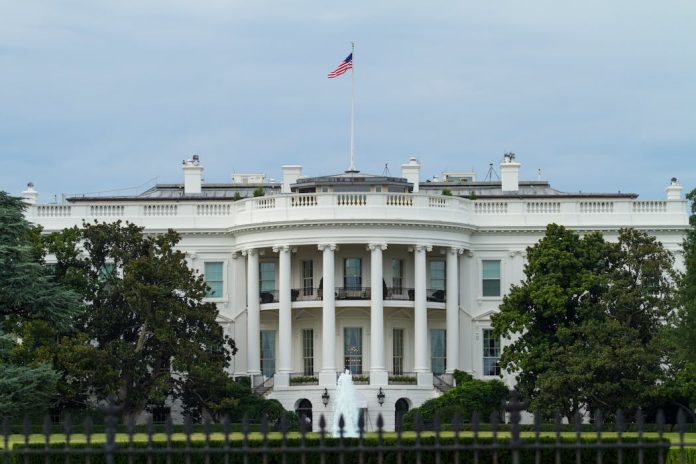

Several leading cryptocurrency firms are among the private donors financing President Donald Trump’s $300 million White House ballroom, according to an official list released by the administration this week.
The list names Ripple, Coinbase, and Tether America as contributors to the 90,000-square-foot construction project, which is replacing part of the East Wing. The new ballroom, intended to host large-scale state events and official functions, is being funded entirely through private donations, not taxpayer money.
Crypto Industry Joins High-Profile Donor List
Executives from these blockchain firms were among those who attended a private dinner at the White House on October 15, where potential donors were thanked for their support. The presence of major crypto companies alongside traditional corporate sponsors underscores how the digital asset sector is gaining visibility and influence within Washington’s power circles.
While details of individual donation amounts were not disclosed, internal documents suggest that contributors may receive “recognition” for their support, possibly including names etched into parts of the new structure.
Donations Managed Through National Mall Trust
According to the information, all ballroom contributions will be handled by the Trust for the National Mall, a nonprofit organization that partners with the National Park Service on White House and Mall-related projects.
The Trump administration has defended the funding model, emphasizing that it allows for major renovations without public expense. The new ballroom, projected to seat up to 999 guests, is expected to be used by future administrations as well.
Symbol of Crypto’s Rising Presence in Washington
The inclusion of Ripple, Coinbase, and Tether among White House donors marks a symbolic moment for the cryptocurrency industry. Once viewed as outsiders, these companies now appear alongside America’s largest corporate entities, contributing directly to one of the most prominent federal projects in decades.
Their involvement signals a broader reality: crypto has arrived in Washington, not just in regulation, but in influence.