






Despite maintaining one of the world’s strictest stances on cryptocurrency activity, China is now just 4,012 BTC away from overtaking the United States as the largest government holder of Bitcoin.
The chart highlights a striking contradiction. While the U.S. remains the top sovereign holder, largely due to long-term asset seizures, China’s accumulated holdings, also primarily sourced from confiscations tied to past enforcement actions, have quietly grown to nearly match America’s total.
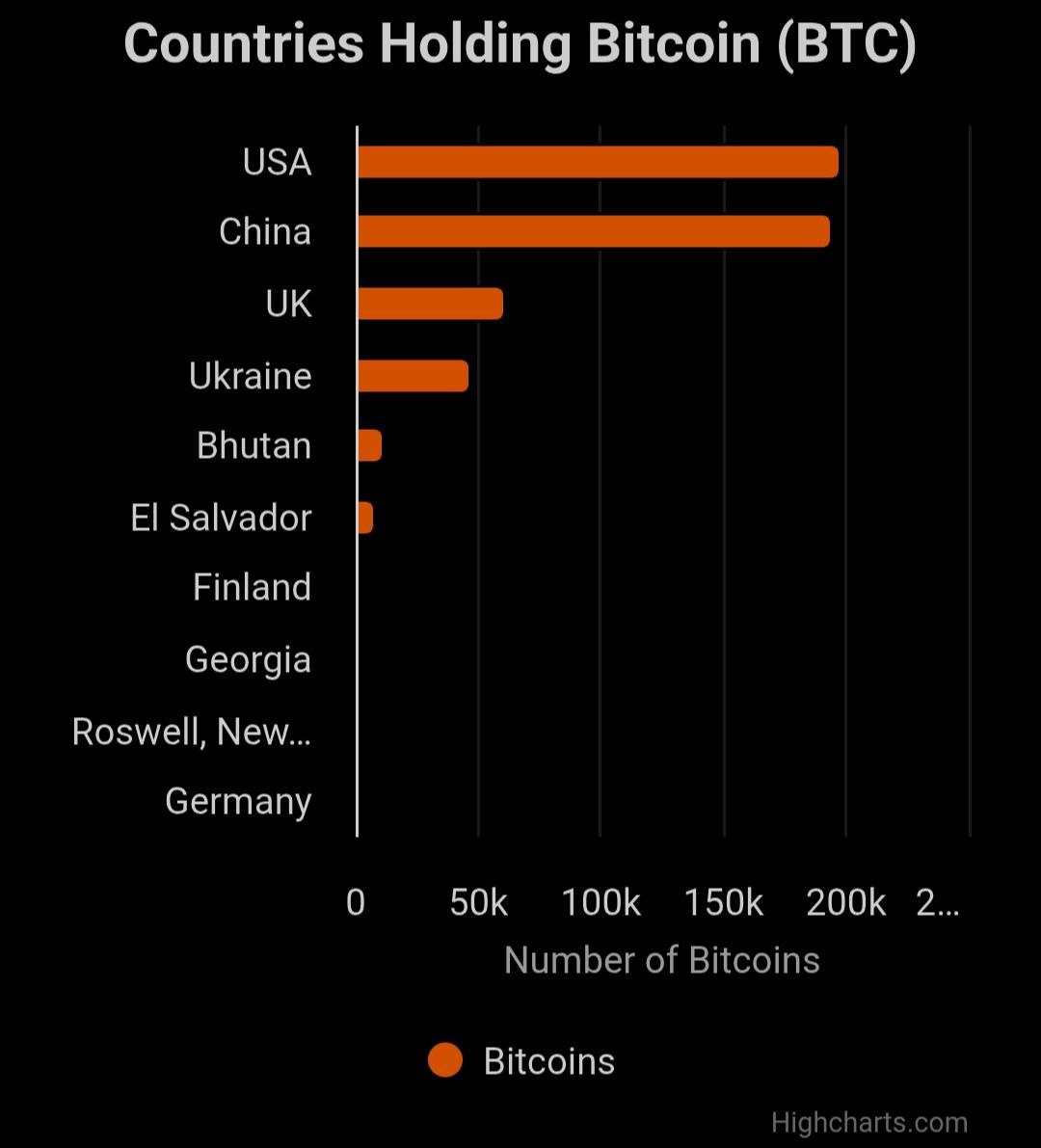
The gap between the two has narrowed to a margin small enough to flip leadership with a single large transfer or reclassification.
What makes the situation notable is the policy contrast. The U.S. has increasingly leaned toward regulated market integration, ETFs, and institutional custody, while China has enforced sweeping bans on trading and mining.
Yet on a balance-sheet level, both governments now sit at the top of the global Bitcoin hierarchy.
If China were to move ahead, it would underscore a broader reality of the current cycle: regardless of public policy narratives, Bitcoin has become a strategic asset held, intentionally or not, by the world’s largest states.



