



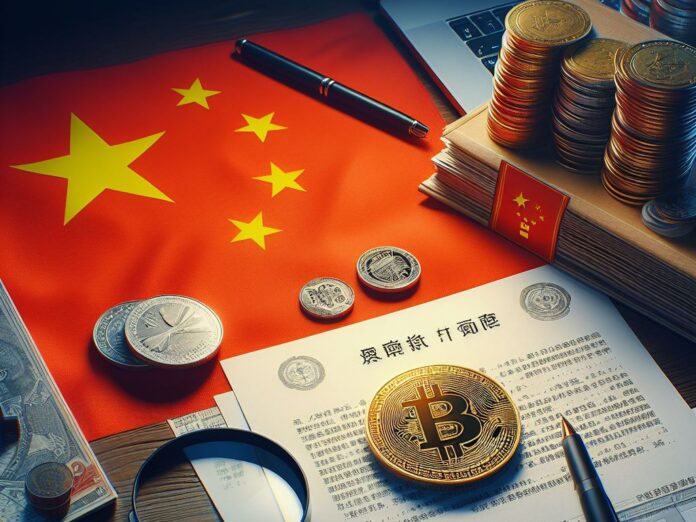

Beijing Moves to Cool Hong Kong’s RWA Momentum
According to Reuters, the China Securities Regulatory Commission (CSRC) issued informal guidance to at least two major brokerages, advising them to suspend their tokenization activities in Hong Kong. The move underscores Beijing’s unease with the rapid growth of offshore digital asset markets and reflects its desire to maintain strict control over financial risk management.
RWA tokenization allows traditional assets such as bonds, equities, funds, and even real estate to be converted into blockchain-based tokens for digital trading. Over the past year, several Chinese firms have turned to Hong Kong to launch these offerings, capitalizing on the city’s openness to blockchain-driven innovation.
China, however, has long maintained a restrictive approach. Since banning cryptocurrency mining and trading in 2021, regulators have sought to limit risks associated with digital finance.
Just last month, authorities reportedly directed major brokerages to stop publishing research supportive of stablecoins, another sign of their defensive posture toward tokenization and related markets.
Hong Kong Charts a Different Path
While Beijing is tightening oversight, Hong Kong has embraced tokenization. Earlier this year, the Financial Services and the Treasury Bureau (FSTB) and the Hong Kong Monetary Authority (HKMA) launched a comprehensive review of RWA frameworks, aligning with global standards to position the city as a leading virtual asset hub.
The market potential is enormous. Data from RWA.xyz estimates the tokenized asset market at $29 billion today, with projections topping $2 trillion by 2030. For Chinese brokerages facing limited growth at home, Hong Kong’s RWA sector represents a rare opportunity to diversify revenue streams.
Several firms have already made significant moves. GF Securities’ Hong Kong unit introduced “GF Tokens” backed by multiple currencies, while China Merchants Bank International supported a 500 million yuan ($70 million) RWA-based digital bond for Shenzhen Futian Investment.
In August, fintech giant Linklogis confirmed a partnership with the XRP Ledger to expand its global digital supply chain finance platform.
It remains unclear if these firms are directly impacted by the CSRC’s latest guidance, as representatives declined to comment.
A Growing Policy Divide
Despite Beijing’s caution, enthusiasm for digital assets continues to build in Hong Kong. The city’s new stablecoin framework has attracted 77 firms since late August, while local brokerages have seen surging share prices after crypto-related announcements.
Notably, Guotai Junan International’s stock spiked more than 400% after winning approval to offer crypto trading services in June. Property developer Seazen Group also announced plans to establish a Hong Kong-based institute dedicated to RWA tokenization.
The CSRC’s latest directive highlights the uneasy balance between China’s strict regulatory oversight and Hong Kong’s ambitions to lead in digital finance. As the RWA market expands globally, this policy divide may determine whether Hong Kong can sustain its momentum—or whether Beijing’s caution will slow the sector’s growth.



