

- Chainlink, UBS, and DigiFT test automated blockchain infrastructure for tokenized funds in Hong Kong’s regulatory sandbox environment.
- Hong Kong’s distinct digital asset rules apply alongside Chinese regulations, with DigiFT ensuring local compliance and interoperability.
Chainlink, UBS, and DigiFT are conducting a joint pilot program based in Hong Kong. The project examines automated handling procedures for tokenized investment vehicles. UBS participates as an asset management firm controlling $5.9 trillion in assets. Chainlink supplies blockchain oracle solutions. DigiFT offers a trading platform dedicated to tokenized assets.
These organizations are constructing a blockchain framework that operates within regulatory guidelines. This infrastructure seeks to automate the full operational sequence for tokenized financial instruments. Its functions include product distribution, settlement procedures, and continuous management operations.
A central aim involves removing human errors that stem from manual handling methods. The trial runs within Hong Kong’s Cyberport initiative supporting blockchain development. This initiative provides a contained setting for assessing digital asset applications.
Investors commence operations by submitting transaction requests. They engage with smart contracts on DigiFT’s platform to execute subscriptions or redemptions. Chainlink’s Digital Transfer Agent system subsequently authenticates these transactions.
This authentication process occurs on the blockchain network. Completed verification initiates automated operations within UBS’s tokenized product contracts. These automated contracts utilize the CMTA Token standards originally established in Switzerland for digital securities.
Hong Kong operates under separate crypto asset regulations from mainland China. Nevertheless, Chinese policies continue to affect business activities within the special administrative zone. DigiFT bears responsibility for confirming the technology’s adherence to local compliance standards. The exchange is additionally checking compatibility with current financial institution frameworks.
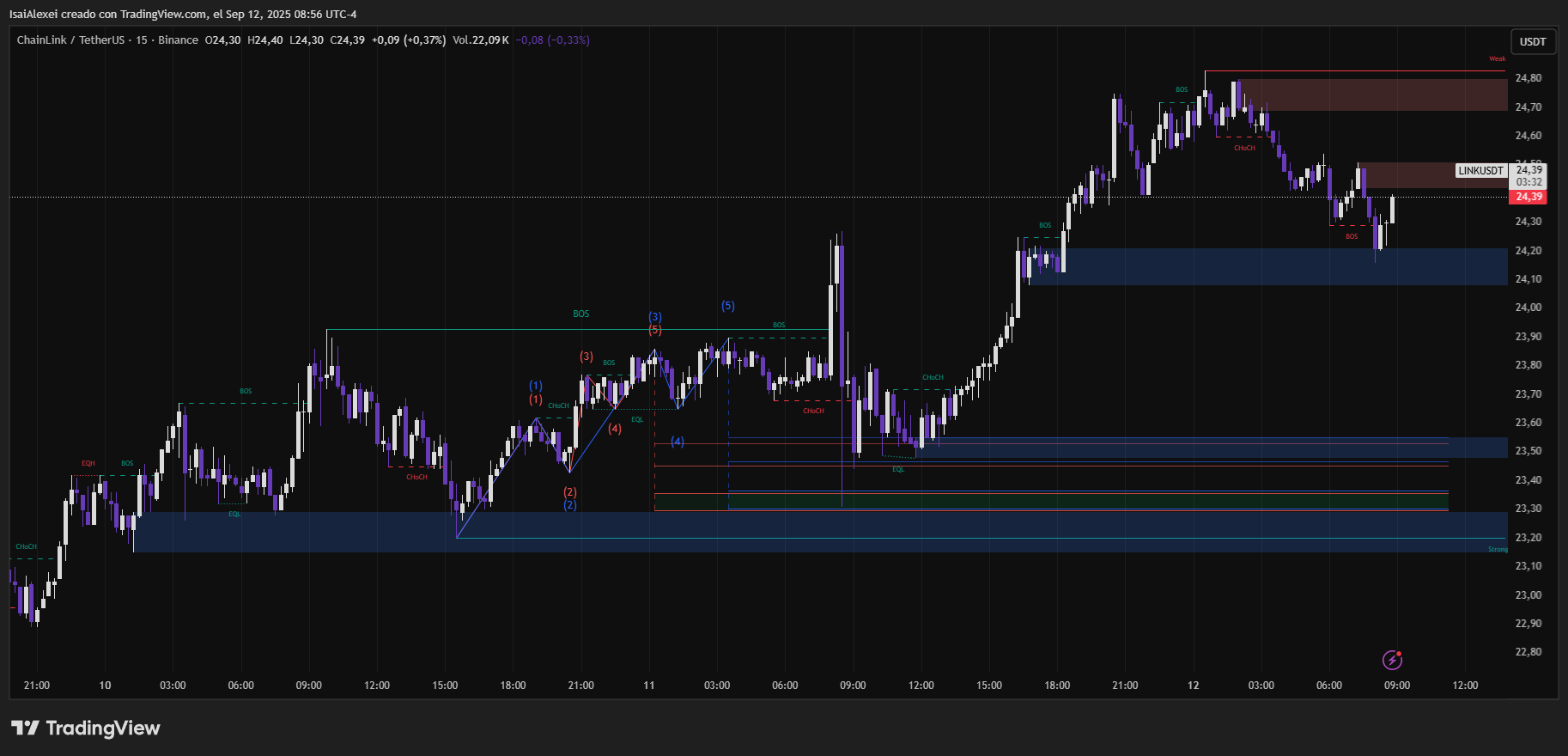
Chainlink (LINK) is trading at $24.31, showing a 2.51% increase in the last 24 hours and a 6.66% gain over the past week. The token has a market capitalization of approximately $16.47 billion, with a circulating supply of 680 million LINK.
The 24-hour trading volume reached $1.047 billion, reflecting strong liquidity and active trading across exchanges such as HTX, BVOX, and Binance. Price movement today ranged between $23.51 and $24.78, indicating a moderate intraday volatility within a consolidating bullish trend.
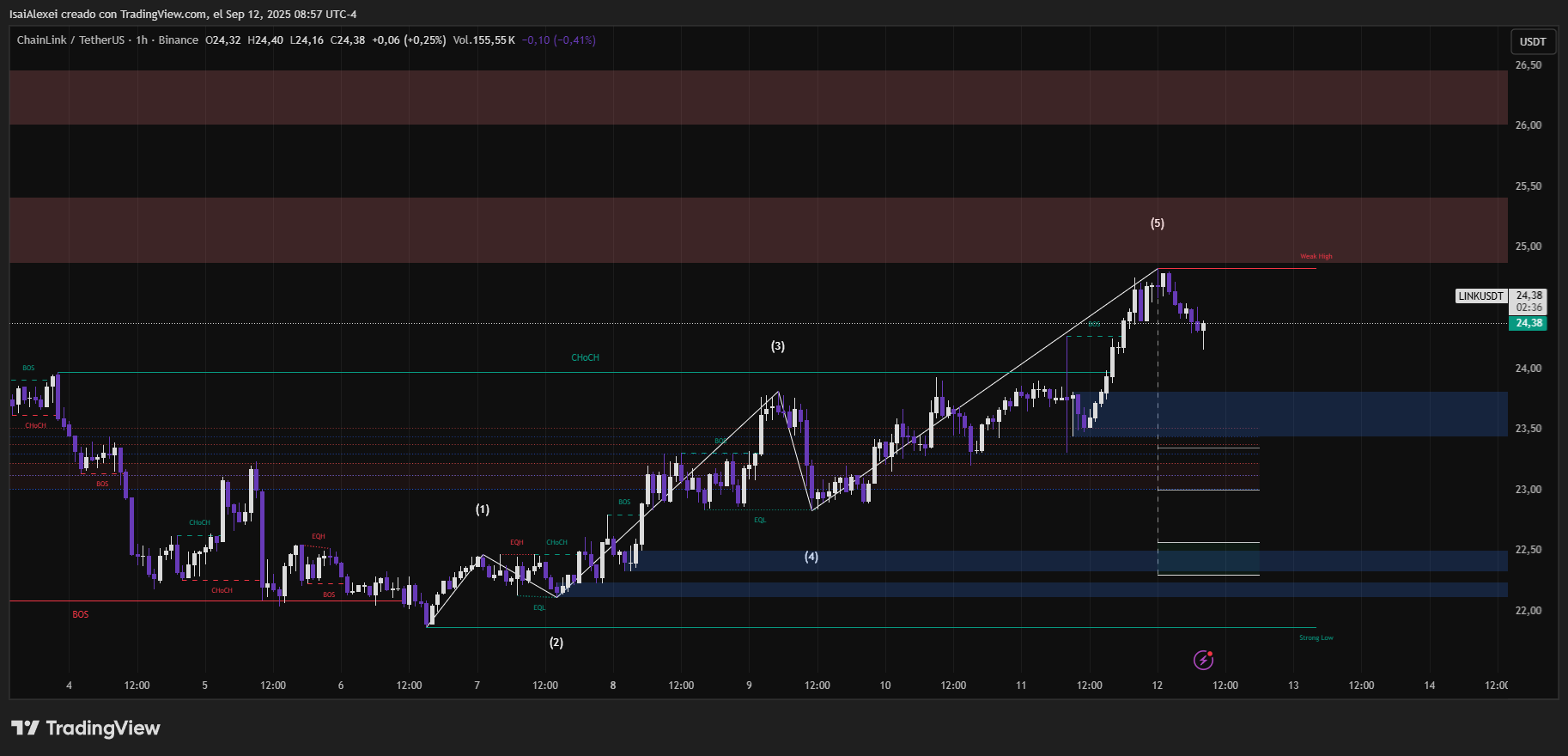
From a technical standpoint, LINK is holding above short-term support near $24.00, with immediate resistance around $24.75–$25.00. The token has shown resilience in weekly performance, outperforming the broader crypto market, which increased about 5% in the same period.
Momentum indicators suggest moderate buying pressure, while volume trends support stability above the support zone. A breakout above $25.00 could attract further attention, potentially pushing the token toward $26–$26.50. Conversely, a failure to hold support may see retracement toward $23.50.
In recent developments, Chainlink has continued expanding its Cross-Chain Interoperability Protocol (CCIP). Bitlayer recently migrated its YBTC operations to CCIP, enabling secure cross-chain transactions with ETH, USDC, USDT, BTR, and wstETH.
Additionally, the U.S. Commerce Department partnered with Chainlink to publish official economic data on Sei, leveraging Chainlink’s secure oracles to ensure integrity and accessibility. These applications highlight LINK’s role in connecting real-world data with decentralized finance and enterprise platforms.