

-
The CFTC is exploring allowing stablecoins and tokenized assets to serve as collateral in U.S. derivatives markets, inviting public feedback until October 20, 2025.
-
The initiative, supported by crypto leaders and major stablecoin issuers, aims to enhance liquidity, reduce costs, and integrate digital assets into regulated financial markets.
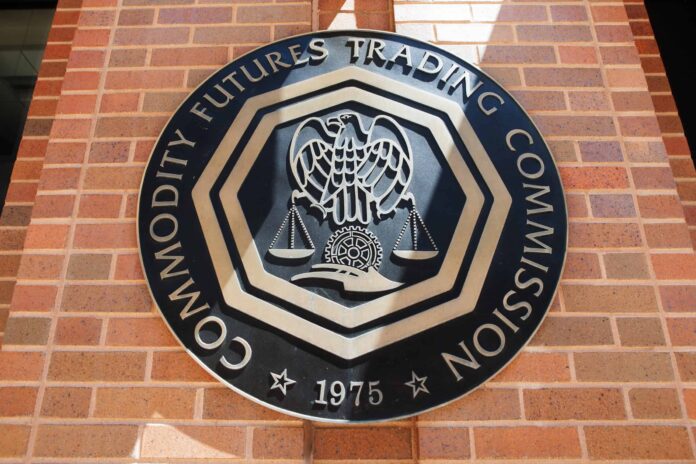
The U.S. Commodity Futures Trading Commission (CFTC) is exploring a groundbreaking initiative that would allow tokenized assets, including stablecoins, to serve as collateral in derivatives markets. The move, which has garnered strong support from major crypto executives, could redefine how digital assets are integrated into traditional financial systems.
CFTC acting chair Caroline Pham announced the initiative on Tuesday, emphasizing collaboration with industry stakeholders. The agency is inviting public feedback on the use of tokenized collateral in derivatives markets until October 20, 2025.
The public has spoken: tokenized markets are here, and they are the future,
Pham said.
For years I have said that collateral management is the ‘killer app’ for stablecoins in markets.
If implemented, widely used stablecoins like USDC and Tether (USDT) would be treated similarly to traditional collateral, such as cash or U.S. Treasurys, in regulated derivatives trading. This initiative follows Congress’ passage of laws earlier this year to regulate stablecoins, which have seen growing adoption among financial institutions.
Strong Support from Crypto Industry Leaders
The proposal has drawn endorsements from key crypto players, including Circle Internet Group, Tether, Ripple Labs, Coinbase, and Crypto.com. Heath Tarbert, president of Circle, highlighted that the GENIUS Act
creates a world where payment stablecoins issued by licensed American companies can be used as collateral in derivatives and other traditional financial markets.
He added that using trusted stablecoins like USDC as collateral
will lower costs, reduce risk, and unlock liquidity across global markets 24/7/365.
Similarly, Paul Grewal, chief legal officer at Coinbase, expressed optimism on X, stating that “tokenized collateral and stablecoins can unlock U.S. derivatives markets and put us ahead of global competition.” Jack McDonald, senior VP of stablecoins at Ripple, described the plan as a critical step toward integrating stablecoins into the “heart of regulated financial markets,” enhancing efficiency, transparency, and institutional confidence.
Building on Existing Regulatory Frameworks
Pham noted that the initiative builds on the CFTC’s Crypto CEO Forum and the broader “crypto sprint” to implement recommendations from the President’s Working Group on Digital Asset Markets. Last year, the CFTC’s Global Markets Advisory Committee recommended expanding the use of non-cash collateral through distributed ledger technology, a concept now central to this new proposal.
The announcement coincides with broader efforts to modernize U.S. crypto regulations. On the same day, SEC Chair Paul Atkins revealed plans for an innovation exemption to provide temporary relief for crypto companies while the SEC develops tailored regulations, alongside Project Crypto, aimed at moving U.S. financial markets on-chain.
If approved, allowing stablecoins as collateral could significantly enhance liquidity, reduce operational costs, and broaden access to derivatives markets for both crypto and traditional finance participants. The initiative positions the U.S. as a potential global leader in tokenized financial markets, bridging digital assets and conventional financial instruments.