



On-chain and derivatives data from CryptoQuant suggest Bitcoin’s recent pullback is best understood as a mechanical reset of leverage, rather than the start of a broader bearish phase.
Instead of signaling structural weakness, multiple indicators point to a market that became overheated and then rapidly cooled.
Losses Concentrated Among Short-Term Sellers
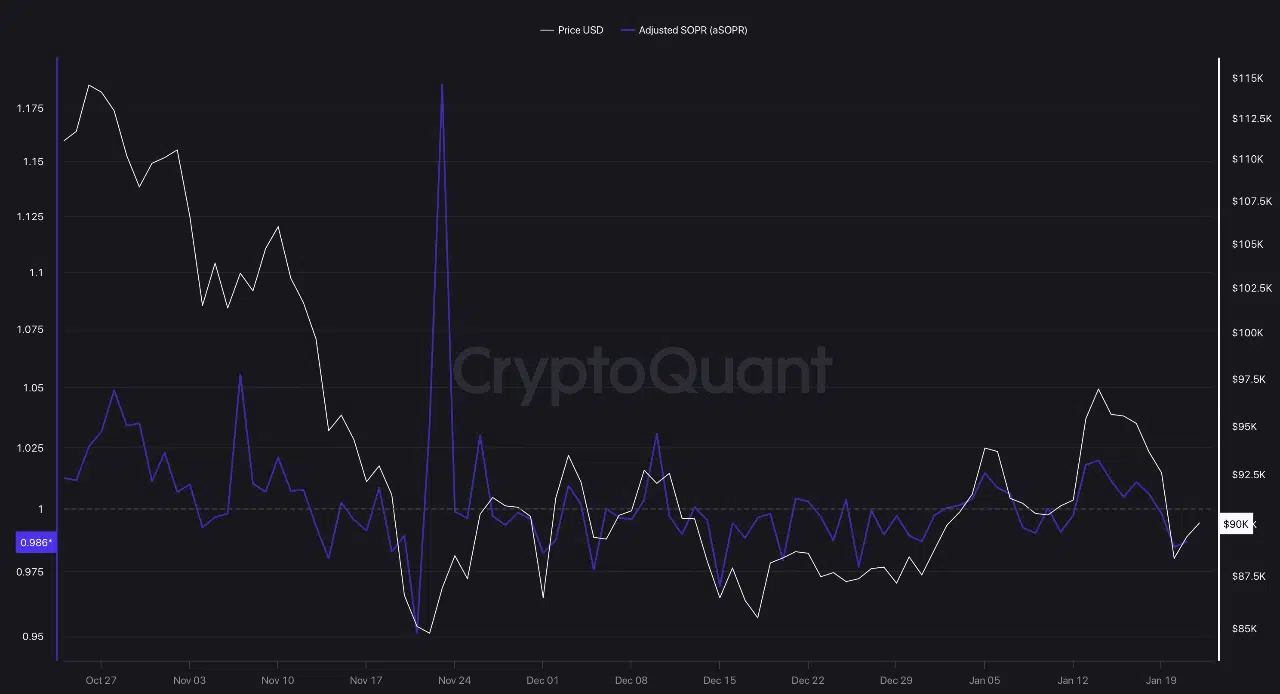
Adjusted SOPR briefly dipped below the neutral 1.0 level, meaning coins were sold at a loss. Historically, this pattern aligns with short-term holders exiting under stress, not long-term investors distributing positions. The fact that aSOPR recovered quickly is key, it implies selling pressure was absorbed rather than sustained.
Leverage Was Forced Out, Not Rebuilt
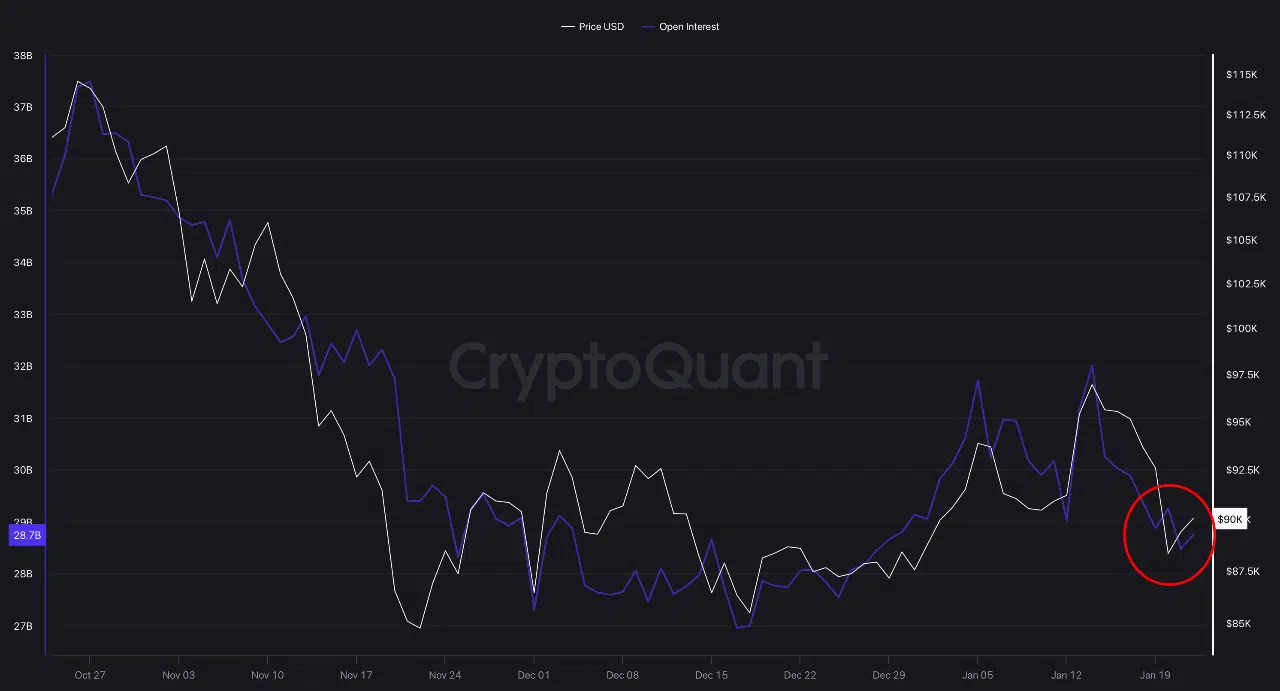
At the same time, Open Interest declined sharply alongside price. This confirms that the move lower was driven by forced deleveraging and liquidations, not by traders piling into new bearish bets. When Open Interest falls with price, it usually reflects positions being closed, not fresh downside conviction.
Derivatives Positioning Reset to Neutral
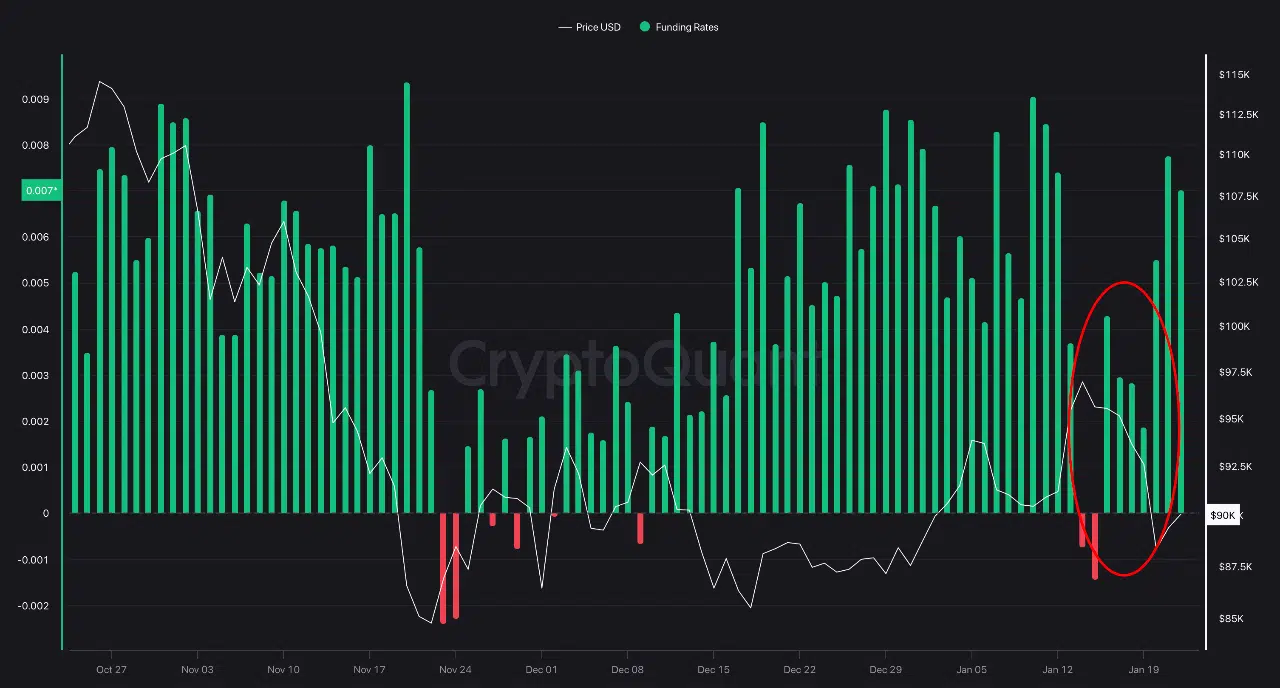
Funding Rates compressed rapidly and briefly flipped negative, showing that excess long exposure was flushed from the system. Once funding normalizes, the market tends to become less fragile, as one-sided positioning is reduced.
What the Data Is Really Saying
Rather than signaling breakdown, the combined picture looks like this:
- Weak hands exited at a loss
- Leverage was cleared
- Derivatives positioning normalized
That sequence typically describes a cooling phase, not the start of a sustained downtrend.
Bottom Line
From an on-chain and derivatives perspective, Bitcoin appears to be digesting excess, not losing structural support. Volatility may remain elevated, but current data supports a stabilization narrative rather than aggressive downside continuation.