




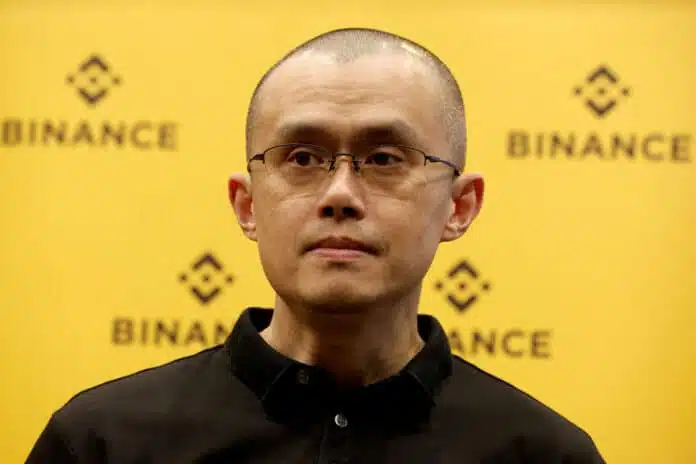

At the World Economic Forum in Davos in January 2026, Changpeng Zhao, co-founder and former CEO of Binance, said he is in active discussions with “probably a dozen governments” about large-scale tokenization of state assets.
The conversations point to a growing interest among governments in using blockchain-based structures to raise capital while retaining control over national resources.
Tokenization as a State Financing Tool
According to Zhao, tokenization offers governments a way to fractionalize ownership in public assets such as infrastructure, real estate, and commodities, allowing them to unlock value without fully privatizing state-owned entities. By selling fractional stakes on-chain, governments could raise funds upfront and reinvest those proceeds into domestic industrial and economic development.
Zhao framed this approach as a shift in how sovereign funding can work, arguing that tokenization enables states to “realize their financial gains first,” rather than relying solely on debt issuance or outright asset sales.
Countries in Active Discussions
Zhao said his discussions span multiple regions, naming Pakistan, Malaysia, and Kyrgyzstan as examples of governments exploring these ideas. While no formal agreements were announced, the breadth of interest suggests tokenization is increasingly being evaluated as a policy tool rather than a niche financial experiment.
AI, Crypto, and the Future of Transactions
Beyond state assets, Zhao linked the tokenization trend to broader technological shifts. He argued that artificial intelligence agents will become a major driver of crypto adoption, using blockchain-based assets as their native medium of exchange. Since autonomous AI systems cannot use traditional payment tools like credit cards, Zhao suggested cryptocurrencies are better suited for machine-to-machine transactions.
He also projected a long-term decline in demand for traditional physical banking infrastructure, pointing to what he described as structural weaknesses in fractional-reserve systems. In his view, blockchain-based instant settlement could address liquidity constraints that periodically surface in conventional banking models, potentially reshaping how financial services are delivered over the next decade.
Tokenization Momentum in 2026
Zhao’s comments come as tokenization gains traction across institutional finance. Major financial entities, including BlackRock, BNY Mellon, and Euroclear, have begun deploying tokenized products following regulatory clarity achieved in 2025.
Together, these developments suggest that the tokenization of assets, once primarily associated with decentralized finance, has entered a phase where governments and large institutions are actively assessing its role in mainstream financial systems.



