




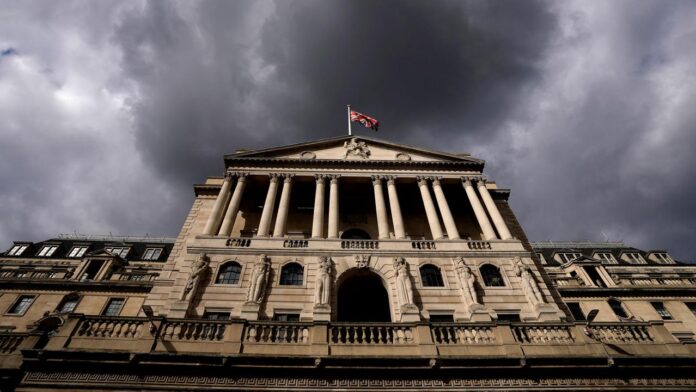

The Bank of England (BOE) signaled a softer stance on digital asset regulation, confirming plans to remove proposed limits on stablecoin holdings once they no longer pose a threat to the broader economy.
Speaking on Wednesday, Deputy Governor Sarah Breeden said that while stablecoins offer clear innovation benefits, their rapid adoption could trigger “significant” outflows of deposits from traditional banks, potentially restricting the flow of credit to households and businesses.
Temporary Safeguards for Financial Stability
To mitigate those risks, the BOE is evaluating several interim safeguards, including caps on individual holdings, aggregate supply limits, and transaction-size restrictions, for stablecoins deemed “systemically important.”
“These will be temporary measures,” Breeden explained. “We will remove the limits once we see that the transition no longer threatens the provision of finance to the real economy.”
The approach represents a major softening from earlier BOE proposals, which drew criticism from industry experts who warned that strict holding limits could stifle adoption of sterling-pegged stablecoins and delay the UK’s digital asset innovation drive.
Aligning With Global Policy Momentum
The central bank’s revised stance comes amid a global wave of regulatory progress following the Trump administration’s GENIUS Act in the United States, a framework that formally recognizes stablecoins as regulated payment instruments.
The BOE is expected to launch a public consultation by year’s end, focusing on oversight of coins considered systemically important. Early proposals suggest a ceiling of £20,000 ($26,785) for individuals and £10 million ($13.4 million) for businesses, though Breeden noted these limits could be gradually raised as confidence in the system improves.
Breeden also emphasized that premature deregulation could backfire: “If usage were to soar under weaker rules, we’d be forced to act later in a much more disruptive way.”



